



Backend Testing Tools
Backend testing tools help developers verify service logic, validate system behavior, and catch regressions across APIs, databases, queues, background jobs, and server-side workflows. This cluster covers the tooling used to test backend systems in practice, from unit and integration frameworks to mocks, contract testing, service validation, observability-friendly test utilities, and tools for more reliable release workflows. Whether you are building monoliths, microservices, or API-heavy backends, the right testing tools make backend development more dependable and easier to scale.
Trending Testing Repositories
just now- #1King of the HillTesting
RepoRank Score
19
#1King of the HillTestingmfaisalkhatri/awesome-learningmfaisalkhatriawesome-learning
DevelopermfaisalkhatriA curated list of awesome learning resources for a Software Test Automation Engineer
1,242GitHub stars0boosts (24h)+1stars (24h)RepoRank Score
19
- #2TestingTypeScript
RepoRank Score
12
#2TestingTypeScriptmswjs/cloudflaremswjscloudflare
DeveloperMswjsDevelop and test Cloudflare applications with Mock Service Worker.
92GitHub stars0boosts (24h)+0stars (24h)RepoRank Score
12
- #3TestingHTML
RepoRank Score
0
#3TestingHTMLAsad-devv/alcavenca-frontendasad-devvalcavenca-frontend
Developerasadshaikh.edu1No description yet.
0GitHub stars0boosts (24h)+0stars (24h)RepoRank Score
0
Recent blogs

Bull Markets Reward Attention. Weak Markets Reward Discovery.
Read the latest insights from the RepoRank editorial team.

The New Internet Economy For Builders
Read the latest insights from the RepoRank editorial team.
Stay Ahead
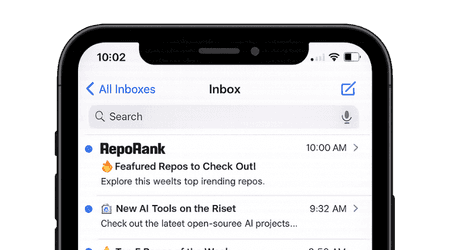
Get weekly Backend Testing Tools repos in your inbox
Trending open-source projects, delivered weekly.
How Backend Testing Tools Support Reliable Systems
Backend testing is essential for building reliable services, stable APIs, and trustworthy application logic. As systems become more distributed and integration-heavy, open source backend testing repositories help developers validate behavior, catch regressions, and improve confidence across the server-side stack.
The open source backend testing ecosystem includes API testing frameworks, integration testing tools, contract validation projects, service mocking utilities, reliability workflows, and broader repositories designed to improve backend quality and release confidence. RepoRank helps surface the repositories that are earning real attention and momentum.
What You Will Find Here
- API testing, contract validation, and service verification tools
- Integration testing workflows and backend reliability utilities
- Server-side quality projects for modern engineering teams
- Emerging backend testing repositories gaining traction
This page helps you discover the backend testing tools developers and platform teams are actively using, evaluating, and watching across modern server-side workflows.
Why RepoRank Is Different
RepoRank focuses on real GitHub growth signals, helping you identify backend testing repositories that are active, relevant, and gaining adoption across server-side engineering and quality workflows.
- Live GitHub star growth and activity tracking
- A mix of established backend testing frameworks and rising projects
- A discovery layer built for practical software reliability
Built for Backend Engineers, QA Teams, and Platform Developers
Whether you are validating APIs, improving service reliability, or tracking open source repositories that shape backend testing workflows, this page helps you stay close to the projects shaping modern server-side quality engineering.
- Developers building and testing backend services
- Teams evaluating integration and contract testing workflows
- Engineers tracking fast-moving backend testing repositories
Use this page to discover trending backend testing repositories, compare frameworks, and stay current with the open source projects shaping modern server-side quality workflows.
Backend Testing Tools FAQs
What are backend testing tools?
Backend testing tools are tools and frameworks that help developers verify server-side behavior, including business logic, APIs, integrations, persistence, background jobs, and service interactions.
How are backend testing tools different from frontend testing tools?
Backend testing tools focus on server-side systems such as APIs, data flows, services, queues, and application logic, while frontend testing tools focus on UI behavior, rendering, and client-side interactions.
What kinds of testing are common in backend systems?
Common backend testing types include unit tests, integration tests, API tests, contract tests, database-aware tests, service mocks, and checks for asynchronous workflows like jobs or queues.
Why do backend systems need specialized testing tools?
Because backend systems often involve data integrity, external dependencies, stateful workflows, and service interactions that are difficult to validate through manual checks alone. Specialized tools make those workflows more repeatable and reliable.
Are backend testing tools only for large distributed systems?
No. They are useful in simple server applications too. Even smaller backends benefit from testing tools that make it easier to validate logic, catch regressions, and release changes with confidence.
What is the difference between integration testing and contract testing in the backend?
Integration testing checks that components work together correctly in practice, while contract testing focuses more specifically on the interface between systems, such as request and response expectations between services.
Do backend testing tools help with API validation?
Yes. Many backend testing tools support API testing directly or integrate with tools that validate response behavior, schemas, authentication flows, and service contracts.
Can backend testing tools work well in CI pipelines?
Many are designed for that. Reliable CI integration is one of the most important qualities in backend testing tooling because it helps teams catch regressions before code reaches production.
What should teams look for when choosing backend testing tools?
Teams should look at coverage needs, ease of automation, support for integrations and mocks, CI compatibility, language or framework fit, readability of tests, and how well the tooling matches system complexity.
Why use RepoRank to explore backend testing tools?
RepoRank helps surface backend testing tools through the lens of open source relevance and practical developer value, making it easier to discover projects that can strengthen real backend engineering workflows.