



Category
Trending testing repositories worth watching
Discover trending open-source testing repositories, from unit and E2E frameworks to QA and automation tools, on RepoRank.
Explore Testing Topics
Trending Testing Repositories
just now- #1King of the HillTesting
RepoRank Score
19
#1King of the HillTestingmfaisalkhatri/awesome-learningmfaisalkhatriawesome-learning
DevelopermfaisalkhatriA curated list of awesome learning resources for a Software Test Automation Engineer
1,241GitHub stars0boosts (24h)+1stars (24h)RepoRank Score
19
- #2TestingTypeScript
RepoRank Score
12
#2TestingTypeScriptmswjs/cloudflaremswjscloudflare
DeveloperMswjsDevelop and test Cloudflare applications with Mock Service Worker.
91GitHub stars0boosts (24h)+0stars (24h)RepoRank Score
12
- #3TestingHTML
RepoRank Score
0
#3TestingHTMLAsad-devv/alcavenca-frontendasad-devvalcavenca-frontend
Developerasadshaikh.edu1No description yet.
0GitHub stars0boosts (24h)+0stars (24h)RepoRank Score
0
Recent testing blogs

Bull Markets Reward Attention. Weak Markets Reward Discovery.
Read the latest insights from the RepoRank editorial team.

The New Internet Economy For Builders
Read the latest insights from the RepoRank editorial team.
Stay Ahead in Testing
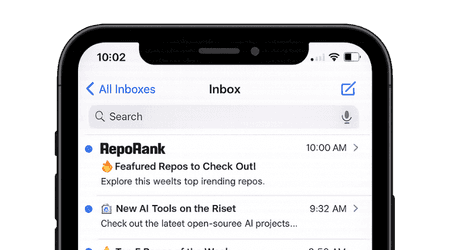
Get weekly testing repos in your inbox
Fresh unit, integration, end-to-end, and continuous testing tooling picks every week.
About Testing on RepoRank
Testing is essential for building reliable software. It ensures that applications work as expected, reduces bugs, and helps teams ship with confidence.
From unit tests and integration testing to full end-to-end workflows, testing tools are a core part of modern development. They allow developers to validate functionality, catch issues early, and maintain stability as systems grow.
The testing ecosystem continues to evolve. New frameworks and tools are being developed to improve speed, coverage, and developer experience. As applications become more complex, testing becomes even more critical.
RepoRank exists to help you stay ahead.
We surface testing tools and open source projects that are gaining real momentum. By analysing GitHub activity, we highlight the frameworks and tools developers are actively using to test, validate, and ship their applications.
This includes everything from lightweight unit testing libraries to full end-to-end testing platforms and automation tools.
Whether you are building test suites, improving coverage, or scaling quality assurance processes, this page helps you discover what is worth using.
What You Will Find Here
- Trending testing repositories with real growth signals
- Unit testing frameworks for fast feedback
- Integration testing tools for system validation
- End-to-end testing platforms for full workflows
- Automation tools for continuous testing
Every listing reflects real developer activity, not static recommendations.
Why RepoRank Is Different
Testing tools are often chosen based on familiarity, but better options are constantly emerging.
- Discover modern testing frameworks early
- Improve your testing stack with better tools
- Stay current with evolving testing practices
- Build more reliable and maintainable systems
Built for Builders
Testing is about confidence, quality, and stability.
- Developers writing and maintaining test suites
- Engineers improving code quality and reliability
- Teams scaling testing workflows and automation
- Builders shipping production-ready applications
If you care about shipping stable software, this is your discovery layer.
Testing FAQs
What are testing tools?
Testing tools are frameworks and platforms used to verify that software works correctly. They help identify bugs, validate functionality, and ensure reliability.
What is unit testing?
Unit testing focuses on testing individual parts of an application in isolation. It helps ensure that small pieces of code behave as expected.
What is integration testing?
Integration testing checks how different parts of a system work together. It ensures that components interact correctly.
What is end-to-end testing?
End-to-end testing simulates real user workflows to verify that the entire application works correctly from start to finish.
Why is testing important?
Testing reduces bugs, improves reliability, and helps teams ship with confidence. It is essential for maintaining quality in modern applications.
How does RepoRank identify trending testing tools?
RepoRank analyses GitHub data such as star growth, activity, and engagement to surface tools that are gaining real momentum.
Are open source testing tools reliable?
Many open source testing frameworks are widely used in production. RepoRank highlights tools with strong activity and community support.
Can I submit my testing tool?
Yes. You can submit your repository to RepoRank, and it will be tracked and ranked based on activity and growth.
How often are testing listings updated?
Listings are updated regularly to reflect real-time GitHub activity, ensuring the most relevant tools are surfaced.
What should I consider when choosing a testing framework?
Focus on ease of use, performance, ecosystem support, integration with your stack, and how well it fits your testing needs.