



Big Data Frameworks
Explore big data frameworks for distributed processing, large-scale analytics, batch computation, streaming, and data-intensive engineering workloads. Compare the frameworks developers use to process massive datasets reliably across modern data platforms.
Trending Data Repositories
just now- #1King of the HillDataC++
RepoRank Score
33
#1King of the HillDataC++Fincept-Corporation/FinceptTerminalfincept-corporationfinceptterminal
DeveloperFincept CorporationFinceptTerminal is a modern finance application offering advanced market analytics, investment research, and economic data tools, designed for interactive exploration and data-driven decision-making in a user-friendly environment.
28,479GitHub stars0boosts (24h)+50stars (24h)RepoRank Score
33
- #2DataPython
RepoRank Score
30
#2DataPythonscrapy/scrapyscrapyscrapy
DeveloperScrapyScrapy, a fast high-level web crawling & scraping framework for Python.
63,174GitHub stars0boosts (24h)+24stars (24h)RepoRank Score
30
- #3DataTypeScript
RepoRank Score
27
#3DataTypeScriptresend/react-emailresendreact-email
DeveloperAlex Attinger💌 Build and send emails using React
19,453GitHub stars0boosts (24h)+10stars (24h)RepoRank Score
27
- #4DataPython
RepoRank Score
23
#4DataPythonadithya-s-k/omniparseadithya-s-komniparse
DeveloperAdithya S KIngest, parse, and optimize any data format ➡️ from documents to multimedia ➡️ for enhanced compatibility with GenAI frameworks
7,631GitHub stars0boosts (24h)+0stars (24h)RepoRank Score
23
- #5DataTypeScript
RepoRank Score
23
#5DataTypeScriptOpenpanel-dev/openpanelopenpanel-devopenpanel
DeveloperOpenpanel DevOpenPanel is an open-source web and product analytics platform, an open-source alternative to Mixpanel with optional self-hosting.
6,162GitHub stars0boosts (24h)+2stars (24h)RepoRank Score
23
- #6DataTypeScript
RepoRank Score
21
#6DataTypeScriptany4ai/AnyCrawlany4aianycrawl
DeveloperAny4aiAnyCrawl 🚀: A Node.js/TypeScript crawler that turns websites into LLM-ready data and extracts structured SERP results from Google/Bing/Baidu/etc. Native multi-threading for bulk processing.
3,373GitHub stars0boosts (24h)+2stars (24h)RepoRank Score
21
- #7DataPython
RepoRank Score
16
#7DataPythonyoheinakajima/activegraphyoheinakajimaactivegraph
DeveloperYoheinakajimaAn event-sourced reactive graph runtime for long-running, auditable, agentic systems.
401GitHub stars0boosts (24h)+4stars (24h)RepoRank Score
16
- #8DataSwift
RepoRank Score
16
#8DataSwiftheyderekj/dinkyheyderekjdinky
DeveloperHeyderekjDinky makes files smaller.
478GitHub stars0boosts (24h)+0stars (24h)RepoRank Score
16
- #9DataLean
RepoRank Score
15
#9DataLeanVerified-zkEVM/ArkLibverified-zkevmarklib
DeveloperVerified ZkevmFormally Verified Arguments of Knowledge in Lean
312GitHub stars0boosts (24h)+0stars (24h)RepoRank Score
15
Recent blogs

Bull Markets Reward Attention. Weak Markets Reward Discovery.
Read the latest insights from the RepoRank editorial team.

The New Internet Economy For Builders
Read the latest insights from the RepoRank editorial team.
Stay Ahead
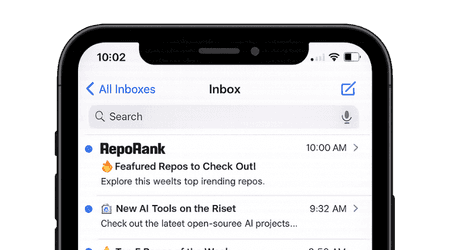
Get weekly Big Data Frameworks repos in your inbox
Trending open-source projects, delivered weekly.
How Big Data Frameworks Support Data Engineering at Scale
Big data tools are built to handle datasets, workflows, and infrastructure demands that go beyond traditional local or lightweight analytics environments. Open source repositories in this space help teams work with distributed processing, large-scale storage, stream-based systems, and the architecture needed for modern data-intensive applications.
The open source big data ecosystem includes distributed compute engines, streaming platforms, data storage systems, analytics frameworks, large-scale processing utilities, and broader repositories built for data-heavy infrastructure and operations. RepoRank helps surface the repositories that are earning real attention and momentum.
What You Will Find Here
- Distributed compute and large-scale analytics repositories
- Streaming systems, storage platforms, and data processing tools
- Infrastructure projects for data-intensive engineering workflows
- Emerging big data repositories gaining traction
This page helps you discover the big data tools engineers, platform teams, and analytics organizations are actively using, evaluating, and watching.
Why RepoRank Is Different
RepoRank focuses on real GitHub growth signals, helping you identify big data repositories that are active, relevant, and gaining adoption across large-scale data and analytics workflows.
- Live GitHub star growth and activity tracking
- A mix of established data infrastructure projects and rising repositories
- A discovery layer built for practical large-scale data engineering
Built for Data Engineers, Platform Teams, and Analytics Organizations
Whether you are evaluating distributed processing tools, building scalable data infrastructure, or tracking open source repositories shaping modern big data workflows, this page helps you stay close to the projects driving large-scale data systems forward.
- Data engineers working with large-scale processing and storage
- Platform teams evaluating distributed data infrastructure
- Organizations tracking fast-moving open source big data projects
Use this page to discover trending big data repositories, compare tools, and stay current with the open source projects shaping modern large-scale analytics and infrastructure.
Big Data Frameworks FAQs
What is a big data framework?
A big data framework is a framework designed to process and analyze very large datasets across distributed systems, often supporting batch jobs, streaming workloads, fault tolerance, and parallel execution.
How are big data frameworks different from regular data tools?
Regular data tools often work well on a single machine or smaller datasets, while big data frameworks are built to distribute workloads across many nodes and handle higher scale, more complex execution patterns, and infrastructure-level concerns.
Why do data engineers use big data frameworks?
They use them to process large datasets more efficiently, support scalable ETL and analytics workloads, manage streaming data, and reduce the operational risk of running high-volume jobs.
Are big data frameworks only for huge companies?
No. They are most valuable at larger scales, but even smaller teams may use them when workloads involve distributed computation, event streams, or data volumes that are too large for simpler approaches.
What should I evaluate when choosing a big data framework?
Look at batch versus streaming support, cluster requirements, fault tolerance, performance, programming model, integration with your storage systems, observability, and how much operational overhead the framework introduces.
What is the difference between batch processing and stream processing in big data systems?
Batch processing handles data in larger scheduled groups, while stream processing handles data continuously or near real time as events arrive.
Do big data frameworks replace data warehouses?
Not usually. They often complement warehouses by processing, transforming, or moving data before it reaches analytical storage, or by supporting workloads that are not well suited to warehouse execution alone.
Can big data frameworks be used for real-time analytics?
Yes, many frameworks support streaming or near-real-time processing, which makes them useful for analytics, monitoring, anomaly detection, and event-driven data products.