



Android Projects
Android projects cover the open source apps, libraries, experiments, starter kits, and production-grade codebases that shape development across the Android ecosystem. From Jetpack-based applications and Kotlin-first templates to UI experiments, developer tools, and real-world mobile apps, this cluster is for builders who want to discover Android repositories worth learning from, using, and contributing to.
Trending Mobile Repositories
just now- #1King of the HillMobileTypeScript
RepoRank Score
56
#1King of the HillMobileTypeScriptrmyndharis/OpenWArmyndharisopenwa
DeveloperRmyndharisFree, Open Source, Self-Hosted WhatsApp API Gateway
11,333GitHub stars0boosts (24h)+41stars (24h)RepoRank Score
56
- #2MobileKotlin
RepoRank Score
8
#2MobileKotlinprojectNEWM/newm-mobileprojectnewmnewm-mobile
DeveloperProjectnewmRepo for the Android and iOS mobile apps utilizing a Kotlin Multiplatform Mobile (KMM) shared module to share business logic.
23GitHub stars0boosts (24h)+0stars (24h)RepoRank Score
8
- #3MobileTypeScript
RepoRank Score
2
#3MobileTypeScriptMobxglobal/mobx-backendmobxglobalmobx-backend
DeveloperAlex AttingerNo description yet.
1GitHub stars0boosts (24h)+0stars (24h)RepoRank Score
2
Recent blogs

Bull Markets Reward Attention. Weak Markets Reward Discovery.
Read the latest insights from the RepoRank editorial team.

The New Internet Economy For Builders
Read the latest insights from the RepoRank editorial team.
Stay Ahead
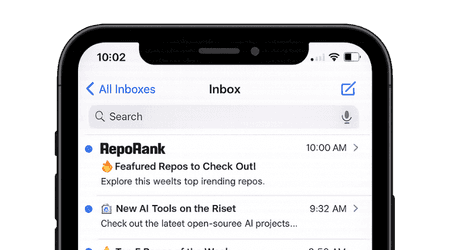
Get weekly Android Projects repos in your inbox
Trending open-source projects, delivered weekly.
Exploring Android Projects in the Open Source Ecosystem
Android development remains one of the most active parts of the mobile ecosystem, with open source repositories powering app architecture, native UI development, SDKs, libraries, tooling, and learning resources. For developers building Android apps, open source projects offer a practical way to study real implementation patterns and stay current with the platform.
The Android ecosystem includes native apps, Kotlin-first libraries, Jetpack-based architecture examples, developer SDKs, UI components, utilities, and broader mobile development tooling. RepoRank helps surface the repositories that are earning real attention and momentum.
What You Will Find Here
- Native Android apps and open source mobile projects
- Kotlin libraries, SDKs, and Android developer tools
- Architecture examples, UI components, and app foundations
- Emerging Android repositories gaining traction
This page helps you discover the Android projects developers are actively building with, learning from, and watching across the open source mobile ecosystem.
Why RepoRank Is Different
RepoRank focuses on real GitHub growth signals, helping you identify Android repositories that are active, relevant, and gaining adoption across modern mobile development.
- Live GitHub star growth and activity tracking
- A mix of established Android libraries and rising projects
- A discovery layer built for practical mobile engineering
Built for Android Developers and Mobile Teams
Whether you are building native Android apps, evaluating Kotlin libraries, or exploring architecture patterns for mobile products, this page helps you stay close to the projects shaping Android development.
- Developers building Android apps and mobile features
- Teams evaluating Android SDKs, libraries, and UI tooling
- Engineers tracking fast-moving open source mobile repositories
Use this page to discover trending Android repositories, compare tools, and stay current with the open source projects shaping modern mobile app development.
Android Projects FAQs
What counts as an Android project?
An Android project can be a full mobile app, a starter template, a sample repository, a library, or a tooling project related to Android development. The common thread is that the repository is useful for building, understanding, or improving Android software.
Are Android projects only useful for Android app developers?
Mostly, but not exclusively. Android projects are especially valuable for mobile developers, yet designers, product teams, founders, and backend engineers can also learn from them by understanding app structure, user flows, offline behavior, and feature implementation patterns.
Why should developers study open source Android projects?
Open source Android projects show how real codebases are organized beyond small tutorial examples. They help developers understand architecture, dependency management, UI composition, testing patterns, build setup, and the trade-offs teams make in production.
What makes a strong Android GitHub project?
Strong Android projects usually have clear documentation, modern tooling, understandable structure, useful examples, and evidence of maintenance. Repositories that reflect current Kotlin and Jetpack practices are often especially valuable because they align better with modern Android development workflows.
Do Android projects usually use Kotlin now?
Many modern Android projects are Kotlin-first, and that reflects the broader direction of the ecosystem. Java still appears in older or legacy repositories, but developers exploring new Android projects will often see Kotlin, coroutines, Jetpack libraries, and Compose more frequently.
Are Android projects good for learning Jetpack Compose?
Yes. Open source Android projects are one of the best ways to see how Compose is used in real applications rather than isolated demos. They can reveal how teams structure UI, manage state, handle navigation, and integrate Compose with broader app architecture.
What is the difference between Android projects and Android libraries?
Android projects is a broader cluster that can include full apps, samples, templates, and libraries. Android libraries are just one part of that ecosystem. A project might showcase a complete app experience, while a library usually focuses on one reusable capability or component.
Can Android projects be useful even if I do not reuse the code directly?
Absolutely. Many developers use Android projects as references rather than dependencies. You can learn from architecture, testing, navigation setup, module boundaries, and UI decisions without copying the repository directly into your own product.
How do Android projects help teams ship better apps?
They reduce guesswork. Developers can see how others implemented common patterns, compare technical choices, and avoid reinventing proven solutions. That often leads to faster learning, better architecture decisions, and fewer mistakes in production apps.
Why use RepoRank to discover Android projects?
RepoRank helps developers find Android repositories that are worth exploring instead of relying on random search results. It is useful for discovering open source projects with real developer value, current relevance, and practical learning potential across the mobile ecosystem.